The tango is one of the world's most captivating partner dances, originating in the late 19th century in the working-class neighbourhoods of Buenos Aires, Argentina. Born from a blend of African rhythms, European melodies, and Latin American sensibilities, it quickly spread across the globe, becoming a symbol of passion and sophistication. Today, it remains one of the most popular and recognisable dances in the world.
Why learn the tango?
Beyond the obvious appeal of mastering an elegant and expressive dance, learning the tango offers a surprising range of benefits. It sharpens your focus and coordination, strengthens your connection with a partner, and provides a genuinely enjoyable form of physical exercise. Many dancers also find it to be a powerful social outlet, introducing them to a warm and welcoming community of fellow enthusiasts.
Understanding the basic structure
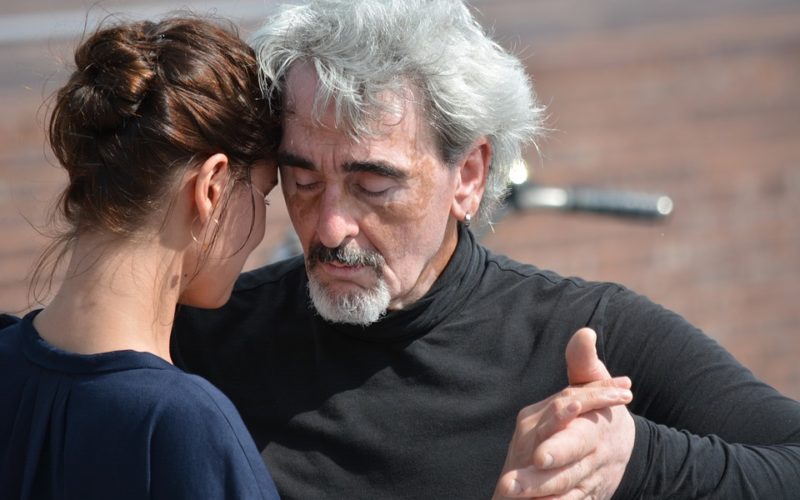
The tango is built around a close embrace between two partners, with one person leading and the other following. Unlike many other dance styles, the tango thrives on improvisation within a structured framework. Beginners are often surprised to learn that there is no fixed sequence of steps to memorise. Instead, the lead communicates intentions through subtle shifts in weight and body movement, and the follower responds intuitively. This dialogue between partners is what gives the tango its distinctive emotional quality.
Your first steps on the dance floor
When starting out, it is best to focus on the fundamental walking technique before attempting any more complex figures. The tango walk is deceptively simple — each step is slow, deliberate, and placed with precision. Feet should glide along the floor rather than lift, and the body should move as a single, unified unit. Most beginners find it helpful to practise the basic eight-count pattern, known as the "basic step," which forms the foundation of almost everything else in the dance.
Finding the right class
A good teacher makes an enormous difference in the early stages of learning. Look for a class specifically designed for beginners, ideally one that rotates partners throughout the session. Rotating partners is a common practice in tango classes and helps you develop adaptability, improve your technique, and avoid picking up habits that are unique to one specific partner. Group classes are a great starting point, though private lessons can accelerate your progress once you have grasped the basics.
The role of music in tango
Music is not just an accompaniment to the tango — it is the very heartbeat of the dance. Traditional tango music, known as orquesta típica, features instruments like the bandoneon, violin, and piano, creating a sound that is both melancholic and intensely rhythmic. Learning to listen carefully to the music, and allowing it to shape your movement, is one of the most rewarding aspects of the journey. Over time, experienced dancers develop the ability to interpret the music spontaneously, making each performance unique.
Embrace the learning curve
The tango rewards patience. Progress can feel slow at first, and that is entirely normal. Even experienced dancers describe themselves as perpetual students of the form, continually refining their technique and deepening their musicality. The key is to enjoy the process rather than fixate on results. Attend milongas — social tango dances — as early as you feel comfortable. Watching others, absorbing the atmosphere, and eventually joining in are all part of how tango is traditionally learnt and passed on. With time, dedication, and a genuine love for the dance, the tango has a way of becoming far more than just a hobby.